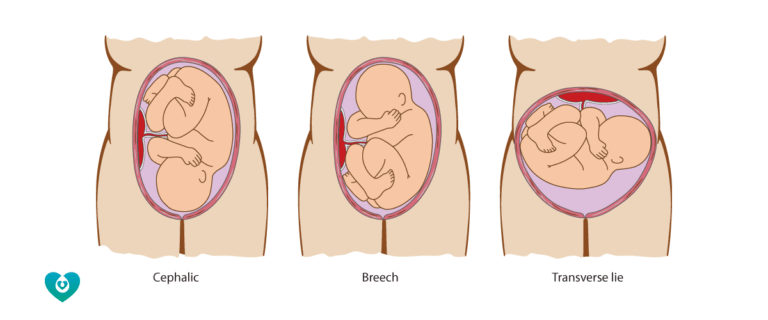
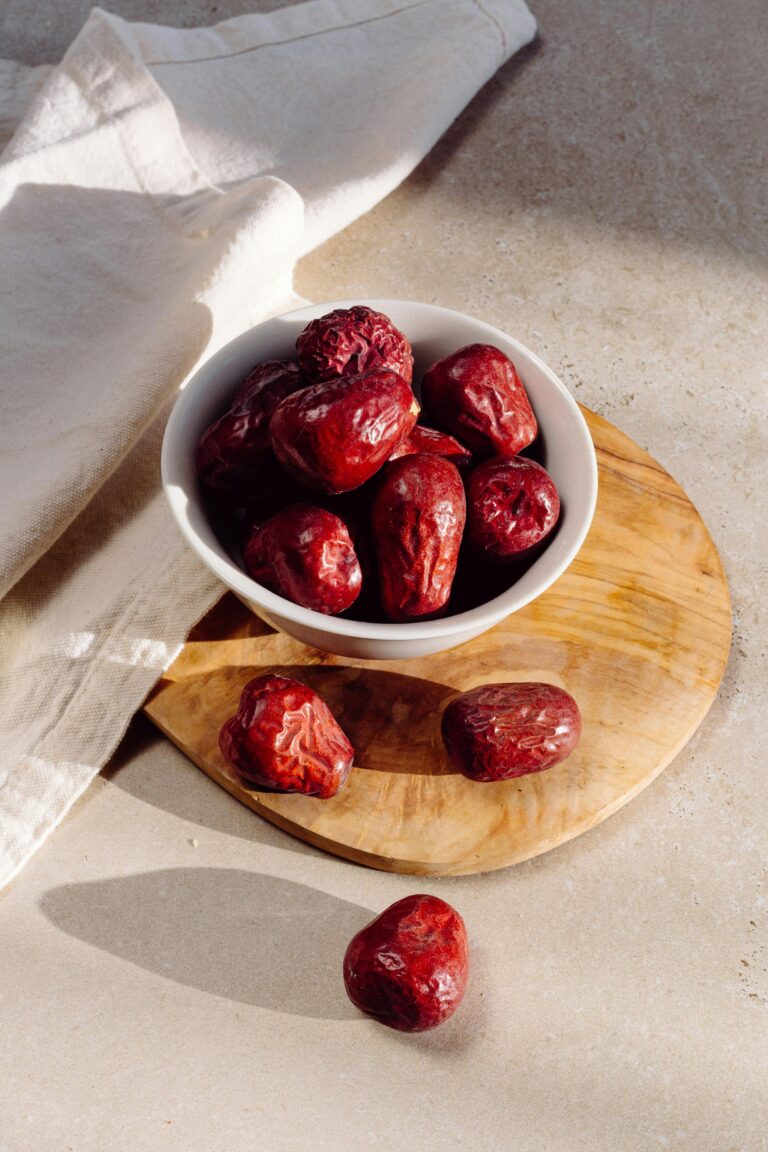
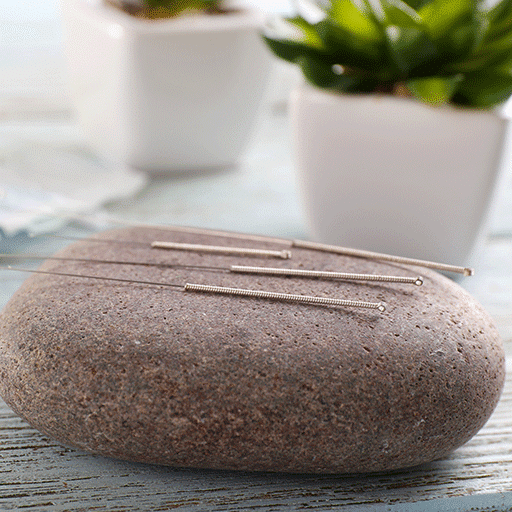
Breech support acupuncture is a late-pregnancy treatment that uses a combination of acupuncture and moxibustion to encourage a more relaxed, spacious pelvic and uterine environment, giving the baby the best chance to turn on their own. Sessions focus on improving circulation in the lower abdomen, easing tension in the hips and soft tissues, and supporting the nervous system so your body can work with more ease during this stage of pregnancy. We recommend beginning as soon as the breech position is identified—ideally around 34–35 weeks—when there is still enough room for the baby to move. This is a non-invasive, grounding approach that complements your medical care and supports you while you navigate your next steps with your OB or midwife.
Begin as soon as the breech position is identified. The ideal window is 34–35 weeks, when there’s still enough space for the baby to move and the body responds best to positioning work.
Yes, at Acumamas we specialize in prenatal acupuncture which is considered absolutely safe when performed by a certified practitioner. The acupuncture and moxibustion points used for breech support are specific to third-trimester care and are performed with pregnancy-focused protocols.
This treatments aims to relax the uterine and pelvic environment, improve circulation, and reduce tension in the lower abdomen and hips. These changes can create conditions that may encourage the baby to turn naturally.
A focused intake, pregnancy-specific acupuncture, gentle moxibustion applied to select points, and instructions for at-home moxa if your practitioner feels it’s appropriate.
No treatment can guarantee a turn. Breech support acupuncture is about giving your body the best possible conditions to allow natural movement to unfold on its own.
Yes. Earlier is ideal, but some babies turn later. Even if turning doesn’t occur, the treatment often helps with relaxation, comfort, and pelvic balance during the final weeks.
Breech presentation is a natural variation that occurs in approximately 3–4% of pregnancies at term. It refers to a baby positioned with their buttocks or...
In the final weeks of pregnancy, the body begins its quiet work of softening and preparing for birth. In Traditional Chinese Medicine, this stage is...
Cervical ripening is a natural, essential process in late pregnancy where the cervix softens, thins, and prepares to open for birth. At Acumamas, we understand...
At Acumamas, we understand that pregnancy is not just a physical process but a profound life experience that encompasses the mind, body, and spirit. Our...
What is Pelvic Floor Physiotherapy? Pelvic floor physiotherapy is instrumental if you are preparing for childbirth and efficient postpartum recovery. The pelvic floor consists of...
What is Naturopathic Medicine? Naturopathic medicine is a holistic approach to wellness, particularly beneficial for women preparing for fertility, pregnancy, and efficient postpartum recovery. It...