Original article by Lisa Davicioni, revised with contributions from Karolina Kluska
In Chinese medicine, the weeks following birth are considered a sacred and deeply vulnerable window of healing and many of us in the family building community lovingly refer to it as the Fourth Trimester. During this time, the body undergoes profound physical, emotional, and energetic changes. How a mother is cared for during this period can have lasting effects on her long-term health and recovery.
While much attention is placed on pregnancy and birth preparation, postpartum healing is equally important. In many traditional cultures, new mothers are intentionally supported with rest, warmth, nourishing foods, and community care in order to rebuild strength and prevent depletion.
At Acumamas, we view postpartum care as an essential continuation of pregnancy care—not an afterthought.
Understanding Postpartum Recovery in Chinese Medicine
From a Traditional Chinese Medicine (TCM) perspective, birth leaves the body in a naturally depleted and open state.
Pregnancy, labour, and delivery require a significant expenditure of energy, fluids, and Blood. Blood loss during birth, interrupted sleep, feeding demands, and the intensity of caring for a newborn can all contribute to exhaustion during the early postpartum weeks.
Two common postpartum patterns seen in Chinese medicine are:
Depletion & Deficiency
After childbirth, many mothers experience signs of depletion. This may include:
- Fatigue or low energy
- Dizziness or lightheadedness
- Difficulty sleeping despite exhaustion
- Dry skin or hair loss
- Anxiety or emotional sensitivity
- Low milk supply
In TCM, this is often understood as a depletion of Blood, Yin, and Qi following pregnancy and birth.
Stagnation & Slow Recovery
The physical process of labour can also create lingering tension and stagnation in the body, especially when recovery has been difficult or rushed.
This may present as:
- Abdominal discomfort
- Pain or achiness
- Slow healing
- Lingering lochia
- Tension in the neck, shoulders, or hips
- Scar discomfort after C-section or tearing
Chinese medicine treatments focus on supporting circulation, reducing pain, and helping the body transition back toward balance.
The Importance of Rest
Traditional postpartum care emphasizes a minimum of one month—and often up to six weeks—of intentional rest after birth. This period allows the body to replenish energy reserves, rebuild Blood, and heal more deeply.
When we speak of rest, we mean true rest whenever possible. Outside of feeding, diapering, and caring for your baby, your primary job is to recover.
Helpful reminders:
- Sleep when your baby sleeps—even short naps are restorative
- Accept help from family and friends whenever possible
- If support is limited, consider hiring a postpartum doula
- Reduce unnecessary obligations during the early weeks
- Let others help with meals, errands, and household tasks
In many traditional cultures, postpartum healing was never meant to happen alone. Mothers were cared for by family and community while they recovered and bonded with their baby.
Why Warmth Matters After Birth
In East Asian medicine traditions, the postpartum body is considered especially sensitive to cold. After delivery, circulation and protective energy are temporarily weakened, making warmth an important part of recovery.
This does not mean living in fear of cold exposure, but rather supporting the body gently with warmth and nourishment while it heals.
Simple ways to support warmth postpartum may include:
- Eating warm, cooked meals
- Drinking warm water or herbal teas
- Wearing warm socks or layers
- Avoiding excessive iced drinks or cold foods immediately after birth
- Resting and keeping the lower abdomen warm
Warmth helps support circulation, digestion, and recovery during a time when the body is rebuilding itself.
Nourishment for Healing & Milk Production
In Chinese medicine, food is considered one of the foundations of postpartum recovery. Meals should be warm, simple, and easy to digest in order to support healing and milk production.
General guidelines include:
- Avoiding cold foods and drinks straight from the fridge
- Limiting greasy, fried, or overly heavy foods
- Emphasizing soups, broths, stews, and gently cooked meals
Foods traditionally used to support Blood and energy include:
- Leafy greens
- Beets
- Sweet potatoes
- Oats and rice
- Sesame seeds
- Mushrooms
- Red meat (if included in your diet)
Vegetarian sources of iron and nourishment may include:
- Lentils
- Black beans
- Garbanzo beans
- Adzuki beans
Warm, nourishing meals can also support digestion, which is especially important postpartum when appetite, bowel movements, and energy may feel irregular.
Supporting Digestion & Bowel Movements
Gentle digestion is an important part of healing and comfort after birth.
Helpful postpartum supports may include:
- Plenty of cooked or steamed vegetables
- Warm liquids throughout the day
- Herbal teas or warm water
- Fiber-rich foods that are easy to digest
Nuts and seeds may help relieve constipation unless hemorrhoids are present, as they can sometimes feel irritating.
Warm beverages can also gently stimulate digestion and bowel movements naturally.
Herbal Support for Lactation & Recovery
Certain herbs have traditionally been used to support milk production and postpartum vitality, including:
- Fenugreek
- Fennel seed
- Nettle
- Alfalfa root
- Fresh ginger
Herbal medicine can also be used more broadly in postpartum care to support:
- Recovery from blood loss
- Fatigue and depletion
- Digestive function
- Sleep and emotional regulation
- Pain and circulation
Herbs should always be used under the guidance of a qualified practitioner, especially during breastfeeding.
Moxibustion in Postpartum Care
Moxibustion, often called moxa, is a traditional therapy used in Chinese medicine that involves the warming of acupuncture points using the herb mugwort.
Postpartum, moxa may be used to:
- Warm and nourish the body
- Support circulation and healing
- Strengthen digestion and energy production
- Rebuild strength after labour
- Ease feelings of exhaustion and depletion
Many practitioners also observe that when mothers receive adequate warmth, nourishment, rest, and support early postpartum, they often feel more emotionally grounded and resilient during the transition into motherhood.
In some cases, practitioners may recommend gentle home moxa protocols as part of postpartum recovery.
Perineal & Hemorrhoid Care
Discomfort after delivery is common, particularly if there has been tearing, swelling, or hemorrhoids.
Soothing options may include:
- Sitz baths with herbs such as Uva Ursi, Comfrey, Chamomile, and Shepherd’s Purse
- Frozen herbal pads made with cooled herbal infusions
- Witch hazel pads or sprays for hemorrhoid relief
These simple supports can help reduce irritation and encourage healing.
Emotional & Energetic Support
The transition from pregnancy to motherhood is profound. Emotional shifts are common and deserve compassionate support.
In Chinese medicine, emotional well-being is closely connected to physical recovery. When the body is depleted, overstimulated, sleep deprived, or unsupported, emotional symptoms may feel more intense.
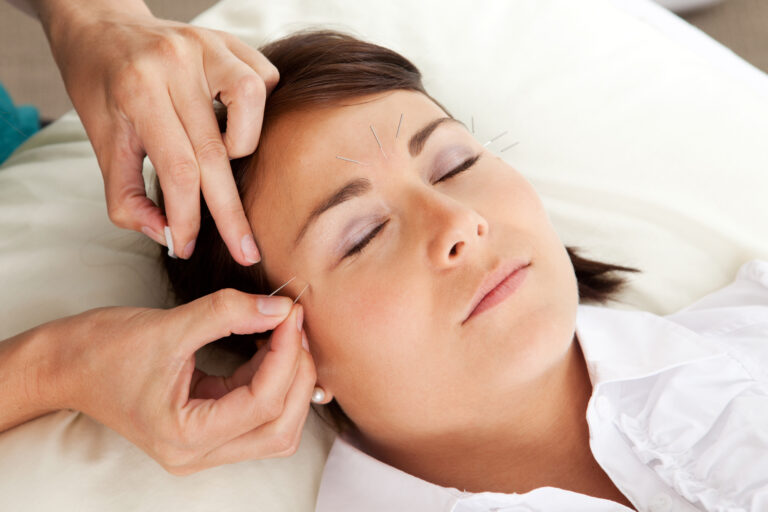
Acupuncture and Chinese herbal medicine may help support:
- Fatigue and burnout
- Sleep difficulties
- Emotional regulation
- Feelings of anxiety or overwhelm
- Postpartum depletion
- Pain and physical tension
Treatment during the Fourth Trimester is not only about symptom management—it is also about helping mothers feel cared for, nourished, and supported during a major life transition.
Ongoing Postpartum Care at Acumamas
At Acumamas, our care extends well beyond pregnancy. We support individuals and families throughout the postpartum period with treatments designed to reduce discomfort, restore balance, support emotional well-being, and help you feel grounded during this transformative time.
The Fourth Trimester is not simply a recovery period—it is a foundational stage of healing. With adequate rest, nourishment, warmth, and support, postpartum recovery can become an opportunity for deep restoration rather than survival alone.
If you are in your postpartum period or preparing for birth and would like support through acupuncture and Chinese medicine, we invite you to book an appointment with our team at Acumamas. Care during the Fourth Trimester is highly individualized, and treatments can be tailored to your specific recovery needs, whether you are navigating fatigue, emotional adjustment, pain, or simply wanting additional support as you heal.
You don’t have to move through this stage alone—support is available, and recovery can be gentler with the right care.